
Articles
All

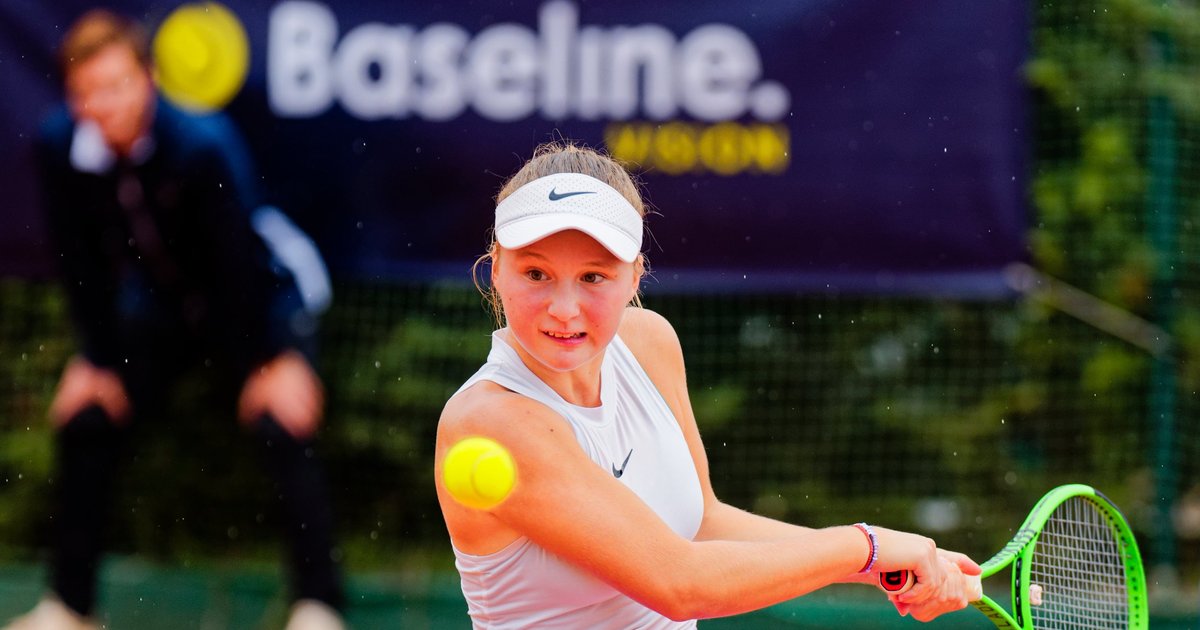
Players aged 10–14 often lose focus in practice because predictable drills put their brains on autopilot, not because of bad behavior. Learn how gamified, target-based drills and smart-court feedback keep juniors engaged on every ball and build skills that hold up under match pressure.
The jump from U12 to U14 is one of the toughest stages in junior tennis. At this age, players' coordination, court awareness, and decision-making are all changing fast.
Yet many programs still use the same routine: a coach at the net, feeding basket after basket. For kids raised on instant digital stimulation, that predictability kills focus. And without focus, practice stops building skill.
The fix: swap constant verbal instruction for neuro-drills: practice games that challenge the brain and give instant feedback.
When a 12-year-old zones out in practice, it's rarely bad behavior. It's how the brain reacts to predictability.
The brain saves energy by tuning out repetition. Once a player knows the next 40 balls will land in the same spot at the same pace, they switch to autopilot.
Strokes practiced on autopilot aren't built for pressure. In a USTA tournament, every shot is unpredictable, and a brain that was never trained to problem-solve in real time can't keep up. That's when technique falls apart.
Focus is a skill. Like any skill, it has to be trained.
The best way to hold a player's focus is to turn drills into games with clear targets. Instead of vague cues like "focus on your depth," give players goals they can measure.
Players must hit seven groundstrokes in a row that:
Miss any one, and the streak resets to zero.
Every shot now counts. That pressure feels like facing break point in a match, so players can't coast.
When the coach calls every shot "in" or "out" from across the net, players learn to rely on someone else's judgment.
Smart-court systems and AI tracking cameras change that. An on-court screen or sound instantly shows how high each shot cleared the net and how fast the player recovered to the baseline. That means:
Practice stops being guesswork and becomes structured and measurable.
Building an elite competitor takes more than good technique. The best coaches design practices that challenge the mind, hold players accountable, and train them to fight for focus on every ball.